












Welcome back to Ask Michelle where I, a certified cheese professional and (self-proclaimed) dairy dork, answer all your burning cheese questions. We’ve got a big, maybe controversial one this month, so let’s dive right in!
What’s the deal with raw milk and raw milk cheese? Is it safe? Is it really better?
Raw milk has certainly been a hot topic as of late, and a lot of people are claiming a lot of things about it. We are allowed to have raw milk cheeses in the US if they are aged at least 60 days in most states, but raw fluid milk cannot be sold for human consumption. Let’s talk about what raw vs pasteurized means, and why I, personally, love raw milk cheeses, but don’t drink raw fluid milk.
The inside of a healthy cow’s udder is essentially sterile. However, the outside of a cow is…not. No matter how careful we are, microbes from the environment, the hands of the person doing the milking, or the cow herself will make their way into the milk. Good farming practices minimize this, but the reality is that microbes live everywhere, and it’s simply impossible to keep the milk microbe-free once it’s left the cow’s body. Not all of these microbes are dangerous! In fact, most of them probably aren’t, assuming again that we’re talking about a farm that takes cleanliness seriously. The trouble is, milk itself is basically tailor-made to support microbial life. It’s full of water and sugar, both things that microbes LOVE, and comes out of the cow at a nice toasty temperature that allows bacteria to reproduce essentially unfettered. Every moment raw milk gets to hang around is another moment a potentially dangerous bacterial colony can blossom. If you’ve got something like e. coli in your milk (not unheard of, as cows don’t concern themselves with where their poop goes), you’ve got a nursery for foodborne illness on your hands.
For many dairy farmers, they combat this risk by pasteurizing their milk. While it sounds like some complicated scientific process, pasteurization is just heating something above a certain temperature for a minimum amount of time to kill bacteria. It’s incredibly effective, and frankly I don’t think modern humans appreciate enough how lucky we are to live in a time when we know how to pasteurize things. Pre-pasteurization life was hard, and many, many people became ill and even died from things we don’t think twice about these days. The pasteurization process doesn’t hurt the milk (especially not the standard, lower temperature methods), but it does allow it to be safely stored and consumed for much longer.
Note: Pasteurization is not a magic bullet that counteracts poor cleanliness or contaminants in a cheesemaking facility. Many past outbreaks of things like listeria have come from post-pasteurization contamination. I don’t say this to scare you or demonize pasteurization, but to highlight that food safety is important all the time, regardless of how the milk is treated.
The problem with pasteurization is that it’s not discerning. All of the microbes are gone, not just the ones that might make you sick. This is a problem for cheesemaking, as microbes are vitally important to the process! You’ve got to acidify your milk with lactic acid producing bacteria before you set the curd, and most of the flavor and texture of a finished cheese are thanks to enzymes inside microbial bodies, which are released when the bacteria’s life cycle ends and it dies. If you’re making cheese with pasteurized milk, you have to reintroduce microbes into your milk. The good news is you can get a very consistent product that way. The bad news is you miss out on some of the nuance and complexity that comes from native microbes.
A good cheesemaker will use several tools to ensure their raw milk cheeses are safe to consume. First, they can choose to make cheese almost immediately after the cows are milked. The less time the milk sits, the less opportunity to grow a food safety issue. They can also adjust temperature, acidity, and salt level (think too hot, too acidic, or too salty) to discourage bad bacteria and encourage good bacteria. This also helps the good bacteria outcompete the bad stuff, which is good and makes for safer cheese! For these reasons, I feel very confident eating most raw milk cheeses available on the market.
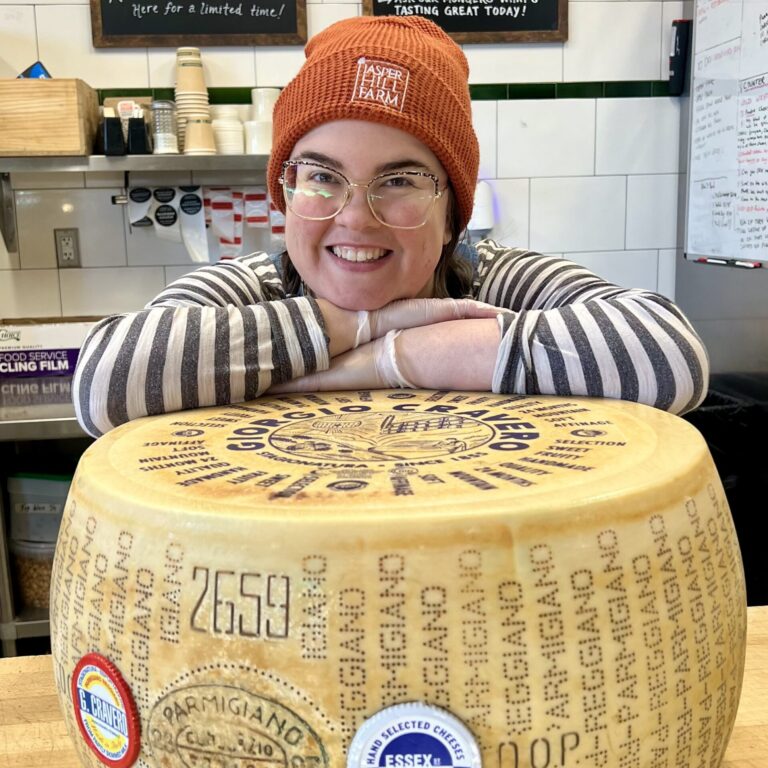
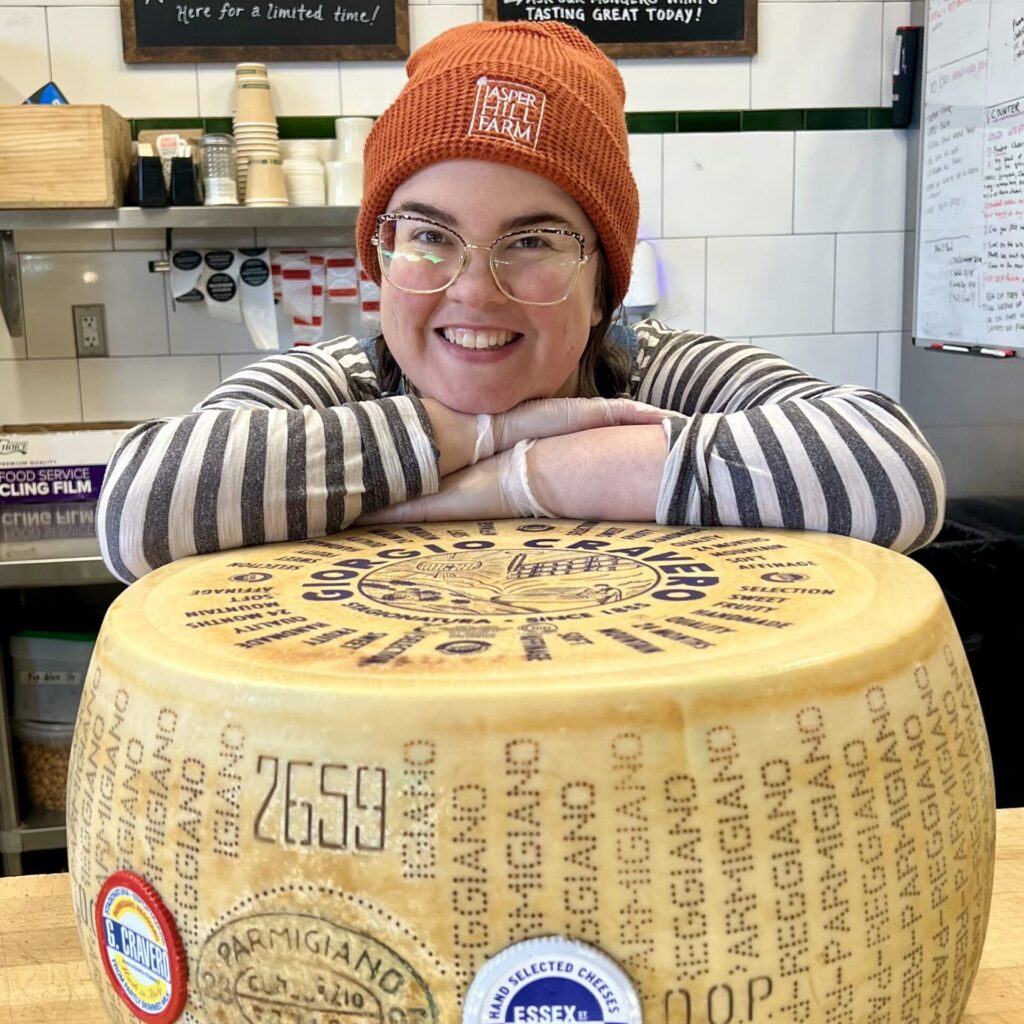
As a final, semi-technical aside, a cheese is considered to be made with raw milk if it’s not heated to pasteurization temperature before the curd is set. What happens after that is all fair game! Certain styles of cheese, like alpines and grana styles (think Gruyere and Parmigiano Reggiano) actually do get heated to an extent that’s generally considered safe–it just happens after the curd is set! In fact, the inner parts of Parmigiano Reggiano wheels test negative for alkaline phosphatase, the enzyme we look for to determine if milk has been successfully pasteurized. No enzyme present means successful pasteurization.
Time is also correlated with safety: after a long enough aging time, any remaining bacteria will reach the natural end of its life cycle and simply die out. This takes longer than you might imagine (certainly longer than the seemingly arbitrary 60 day aging rule), but the end point exists. I would steer someone who is curious about raw milk cheese but nervous about safety toward harder, longer aged cheeses of a style that’s heated post-coagulation and away from the younger, higher moisture ones.
As always, please consult your doctor to make a choice that’s right for you, especially if you’re pregnant or immunocompromised. But if you have more questions about which raw milk cheeses may be safest and why, come to the counter and ask your friendly neighborhood cheesemonger.
That was a long one, so we’ll leave it there for now. Submit your cheese questions to be answered in a future column, and I’ll be back next month for more curd nerdery!
Ask Michelle
Introducing: Ask Michelle! Each month, our Cheesemonger, Michelle, will answer YOUR cheese-related queries! Can you eat the rind? How should you store cheese in the fridge? What kind of mold is okay to eat? Submit your questions here and find answers in our monthly column!