











Welcome to the France 44 Cheesecutter! Every month, we will aim to explore a new area of cheese and provide our opinions and recommendations. We want to help you decide month by month which cheese is best to melt on your grilled cheese, which soft cheese is best to take with you on a picnic, and which stinky cheese pairs best with that bottle of bubbly in your fridge.
My first foray into true British cheeses happened when I moved to England for a summer as a teenager. Admittedly, the move had very little to do with exploring British cuisine – in fact, most of what I knew about it came from it being the butt of a joke – but I ended up with a deep love and appreciation for traditional British food. Through this process, I found myself at my very first cut to order cheese counter (shout out to the Cambridge Cheese Company!). This is where I first got to experience many of the iconic UK cheeses that I would later revisit on the other side of the counter.
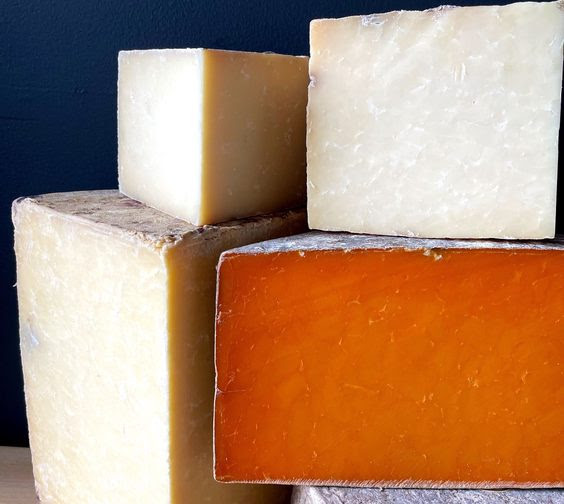
When thinking about Irish or UK cheeses, often the first cheese that comes to mind is cheddar. Deliciously crumbly and slightly acidic, traditional British style cheddar is often cave-aged in large wheels and bandaged to protect the cheese during its long aging process. This results in a cheddar that is very different from traditional midwestern block-style cheddar. British style cheddar can have a wide range of flavor from grassiness to floral notes and even a bright yogurt-y tang.
Cheddars might be at the forefront of our minds when it comes to British cheeses, but there’s an entire world of territorial cheeses to explore. British territorial cheese refers to any type of cheese that originates from the British Isles (including cheddar, Lancashire, Cheshire, Gubbeen, and more). So what are these other territorial cheeses and how can we best enjoy them?
Due to the process of draining whey from the cheese curds while the curds are actively acidifying, British cheese ends up much more crumbly and acidic than their European counterparts. Oftentimes these cheeses are made in farmstead environments on family farms with raw milk offering the taster a complex snapshot into the terroir and family story behind each wheel. All of these cheeses, whether hard or soft, funky or mild, are best enjoyed at room temperature and in a setting where you are able to take the time to appreciate the time and effort that goes into getting the beautiful cheese from the grass to the cow to cave and onto your plate.
What to Consider:
- Texture: Irish and UK cheeses are known for that classic crumbly cheddar texture, but that’s not all there is to it. Outside of cheddars, territorial cheeses from the Isles can range from hard and crunchy to soft and gooey and some very cool consistencies in between.
- Funk: There’s plenty of different styles of funk to choose from when it comes to Irish and UK cheeses. If you’re looking for something blue and intense or grassy and light, there’s a cheese from the Isles that can fit the level and type of funk that you’re looking for.
- Flavor: Cows milk cheese lean sweet and creamy, goat cheese can be tangy and lighter, and sheep milk cheese is typically rich and buttery.
- Feeling: Irish and UK cheeses are special in their ability to capture a feeling or a place in every wheel of cheese. What sort of feeling are you wanting to take home with you? Are you looking for a cheese to transport you to a picnic on the Irish countryside? Or for something to melt for the perfect classic cheese toastie?
Cult Classics
Isle of Mull Cheddar: The Isle of Mull in Scotland is known for two things: Scotch and Cheddar (what more could you want?) and this farmstead gem really lets both of those specialties shine. The Reade family feeds their herd with the same grain used to make the island’s famous whiskey which gives the resulting cheese an intense peat-y and boozey finish. Enjoy on its own or with a grainy mustard and tangy cornichons.
Caerphilly: A true “if you know you know” of the cheese world, Caerphilly cheese is a bit on the adventurous side, but has a very dedicated fanbase. This semi-firm cheese originated in Wales as miner’s cheese, but production eventually moved to England where it remains to this day. What makes this cheese unique is how different each part of it can taste. The crumbly center tastes bright and tangy while closer to the rind the cheese takes on a fudgy and mushroomy quality. Eat this cheese with butter and toasted bread and choose either some apricot jam to bring out its sweetness or a salty pairing like pork rillettes to enhance the umami flavor.
Fabulously Funky
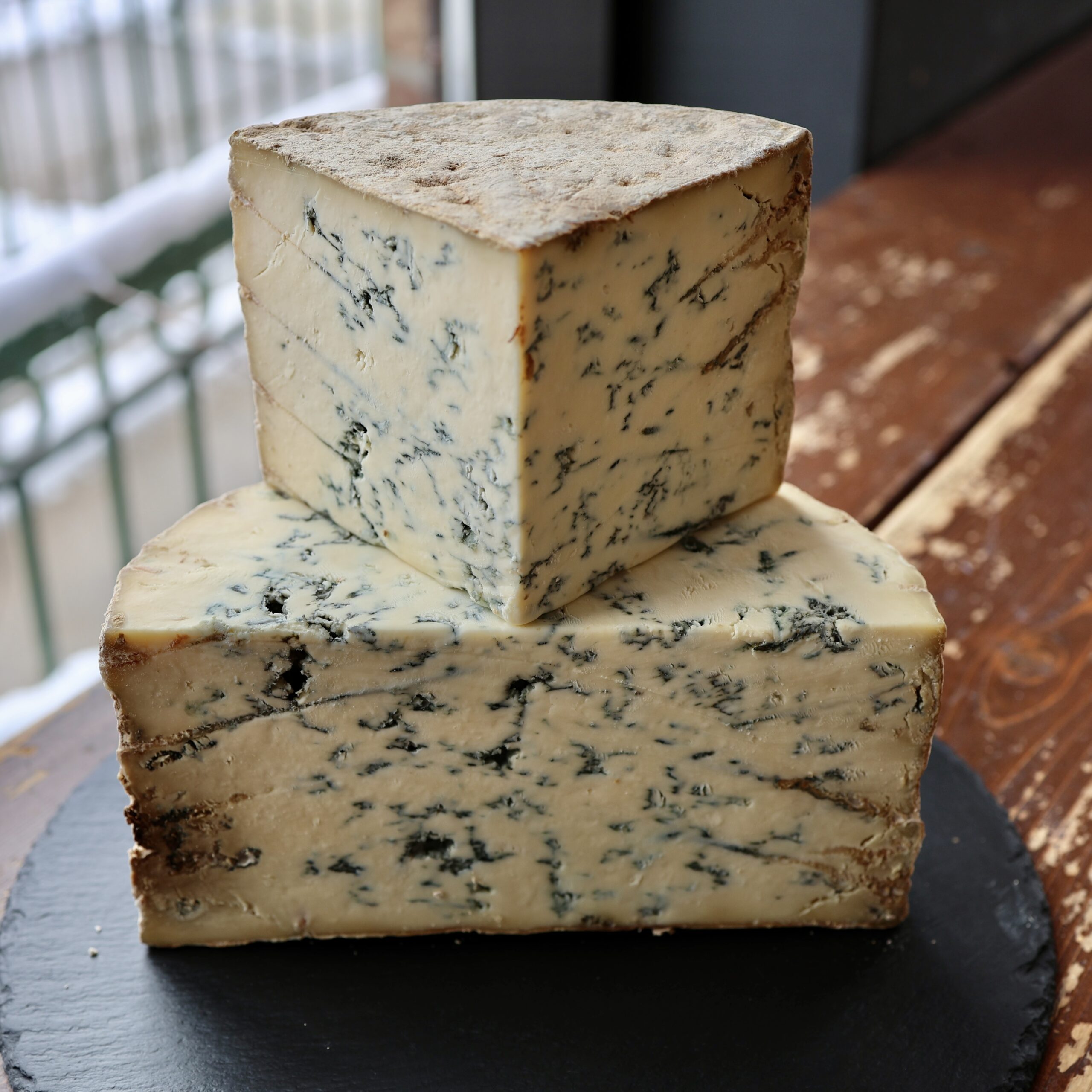
Stitchleton: If you’re a fan of blue cheese, I have no doubt in my mind that you’ve heard of the bold powerhouse, Stilton. Stitchelton is its raw milk cousin that brings its own distinct and delicate zing to the cheeseboard. Before Stilton became a name-protected cheese, it was produced with both raw and pasteurized milk. This has since changed due to a myriad of reasons, but the makers of Stitchelton have brought back raw milk production of this beautiful blue. Every wheel of this cheese is its own unique tasting experience as the flora and fauna of the milk changes. Look out for notes of toasted biscuits and slightly sour apricots and pair with honey and hazelnuts.
Out of the Box
Durrus: Ireland is known for its increidbly high quality butter and lush countryside, but it can be difficult to find Irish cheese in the states. However, that’s not at all due to a lack of an Irish cheese scene and Durrus proves that to be true. Produced in West Cork as part of a farmstead cheese revival, Durrus is a gorgeous creamy washed rind cheese with a hefty, meaty flavor. In its younger state, it can come off as sweeter with notes of fesh pear, but as it ages, it only gets stronger and more intense. Eat this cheese on a rainy summer day spread (at room temperature!) on fresh baguettes or slice up and melt in your next omelette.
Made to Melt
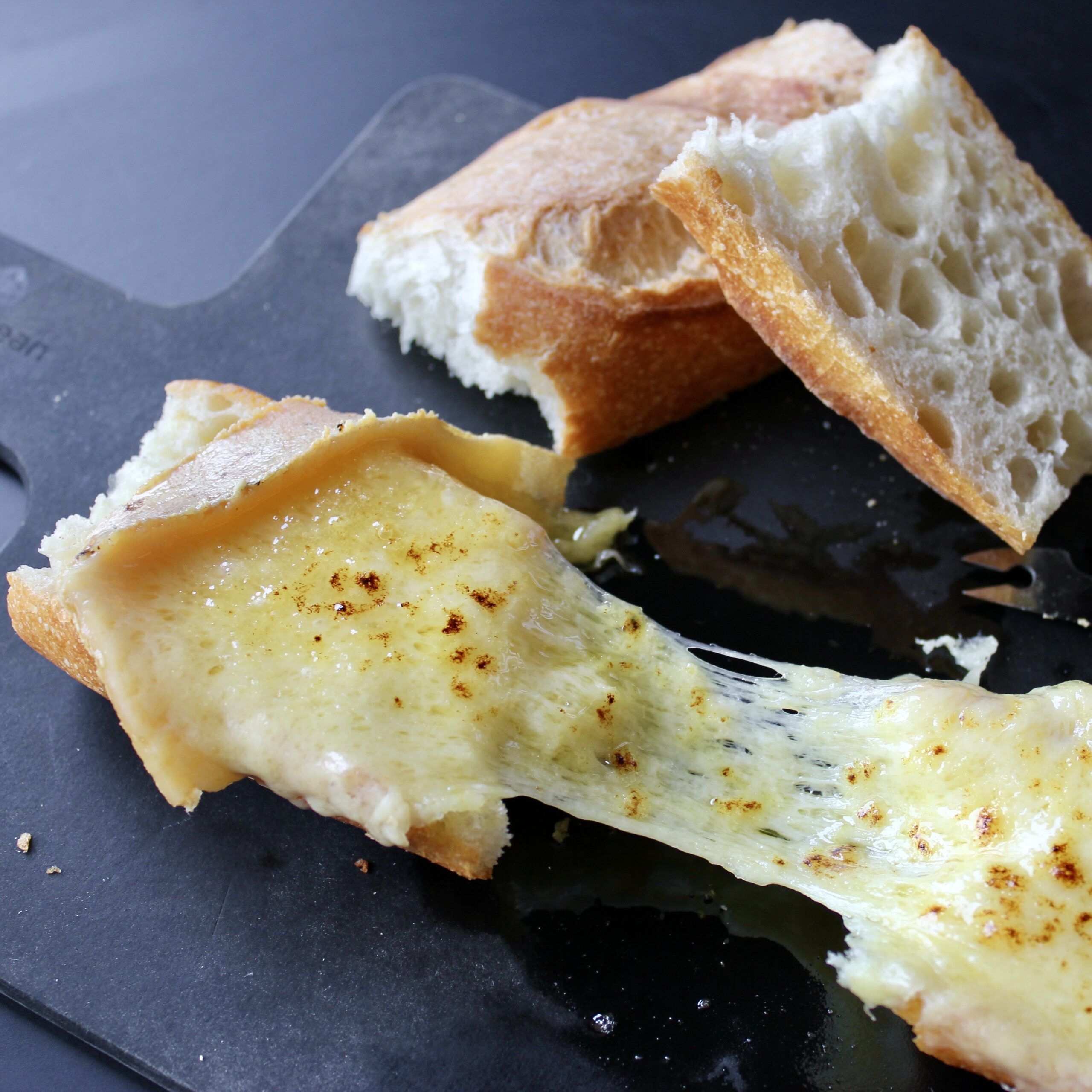
Ogleshield: Ogleshield is a semi-hard washed rind cheese made from the decadent and butter-y milk from Jersey cows in Somerset. The high fat content in the milk gives this cheese it’s almost spongey texture and the brine it’s been washed in gives it a savory, slightly pungent, flavor. While delicious and brothy without any preparation, this cheese shines when melted and poured over salty potatoes. Or, for a more true to nature British style of enjoyment, melt this on a slice of a toast and enjoy with a cold cider.