












Hi everyone! Welcome to the first edition of Ask Michelle, where once a month I’ll be answering your most burning cheese questions. Let’s get started: we have a big one this month!
How long can you keep cheese in the drawer of your fridge?
On my very first day as a cheesemonger, my boss (the great Kurt Mullican of Greys in Tennessee) taught me to encourage folks to “buy less cheese more often.” This is a piece of wisdom I will now impart upon you all, as it will minimize the disappointment of finding forgotten cheese in the back of your fridge and having to endure the stages of grief as you decide if it’s worth a roll of the dice to eat it. In general, I would encourage you to enjoy your cheese within 7-10 days for maximum deliciousness, but that’s not a hard rule. We’re only human, and sometimes things fall through the cracks. So, how long is too long?
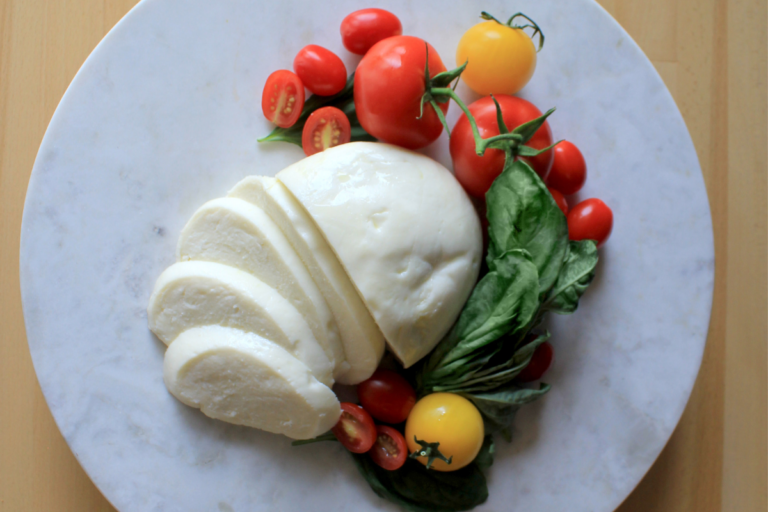
Water content: pathogens (the bad microbes that can grow on food and make us sick) require water and a favorable pH to proliferate. For the casual cheese connoisseur, pH isn’t a very useful measure, so let’s focus on what we can see: water content. The higher moisture your cheese is, the less time you have to safely consume it. This is why our extra aged Goudas can live on the counter, but the brie is in the fridge. It’s also why you can confidently scrape the mold off a piece of Parmigiano Reggiano but should toss a soft cheese that’s growing something unexpected (e.g. not just an extension of the microbes that make up the rind).
Breaching the rind: The rind of any cheese is there to protect it, and the clock starts ticking faster the moment you breach it. So a whole wheel of something soft may have a month left in it, but once you cut it, that 7-10 day rule of thumb is in play. For dryer cheeses, the quality will begin to suffer after cutting, but it’s less likely to pose a food safety issue. Gently scrape the cut face of your harder cheeses with a knife to remove any oxidation or dry areas, and it’ll freshen right up.
Use your senses: While there are certainly pathogens that don’t produce any bad aromas or flavors (nothing is 100%), humans have evolved over many thousands of years to be pretty good at determining if something is food or not. If a cheese looks, smells, or tastes like it’s bad, it probably is! “Bad” is a little subjective when it comes to cheese, so it’s good to know what the cheese you bought is supposed to smell or taste like. Give it a good sniff when you first buy it, this will help guide you! Excessive ammonia aromas, particularly ones that don’t dissipate after a few minutes out of the wrapper are a good indication your cheese is too far gone. (Note: ammonia is a natural byproduct of cheese aging, so an occasional whiff of ammonia right when you open your cheese isn’t necessarily bad news.) Trust your instincts: our ancestors ate a lot of weird stuff and learned a lot of hard lessons for us.
Cheese storage tips: Proper storage will extend the life of your cheese!
- Keep it in the paper we wrap it in if you can. It’s made specifically for storing cheese, and does wonders for longevity. If you have multiple cheeses, try to rewrap leftovers in the same paper they came in and don’t mix and match. This will keep you from accidentally spreading microbes from one cheese to another (e.g. blue mold vs a bloomy rind).
- If you don’t think you’ll eat the whole piece of cheese in one sitting, use a clean utensil to cut off the part you expect to eat right then. Using a “dirty” knife on your cheese does nothing but provide ample opportunity to introduce unwanted microbes (and microbe food) onto your cheeses. You can be less concerned about sharing a utensil on a board you expect to be fully eaten in one day, although strong cheeses do have a tendency to impart their flavors onto other things on the board, so maybe get a separate knife for your blue cheese to keep your less adventurous guests happy.
- If you’re concerned about your cheese picking up flavors from the fridge, you can put the cheese (in its paper) into a zip top bag that is not closed all the way. Closing the bag will just trap moisture and gases and lead to a soggy science experiment of a cheese. (Caveat: cheeses that come vacuum sealed should be left in their packaging until you’re going to eat them, then transferred to paper for storage.)
Bottom line:Your first line of defense is to eat your cheese right when you buy it. Barring that, pay attention to moisture content and your own senses to determine if something still feels safe to eat. It’s not a perfect science, but in general should serve you well. If all else fails, give us a call and one of our cheesemongers can help you.
Have a question for our Ask Michelle next blog?
Ask Michelle
Introducing: Ask Michelle! Each month, our Cheesemonger, Michelle, will answer YOUR cheese-related queries! Can you eat the rind? How should you store cheese in the fridge? What kind of mold is okay to eat? Submit your questions here and find answers in our monthly column!